New Windows & Doors Cost Guide 2026: Prices, Benefits & Installers
Upgrading to energy-efficient windows and doors can cut heating bills by hundreds of pounds a year while adding thousands to your home’s value. Yet many UK homeowners still delay because of perceived high costs, missing out on long-term savings and comfort.
In South Yorkshire where colder winters and a high proportion of older housing stock make heat loss a real issue modern glazing delivers particularly strong returns. This guide covers 2026 trends, realistic costs, key benefits, planning rules, and how to choose a reliable installer.
Why Install New Windows and Doors in 2026?
New windows and doors improve insulation, reduce draughts, cut noise, boost security and increase natural light. For many South Yorkshire homes especially Victorian terraces, 1930s semis and post-war properties the upgrade can transform both comfort and energy performance.
Typical benefits include:
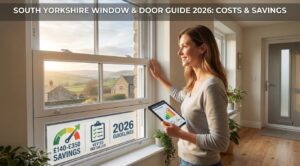
Annual energy savings of £140–£350+ for a typical three-bedroom home
Potential increase in property value of £10,000 or 3–7%
Better thermal comfort and reduced noise
Enhanced security with modern multipoint locking systems
Lower maintenance (especially with uPVC or aluminium)
Slimline frames that maximise glass area and modern looks
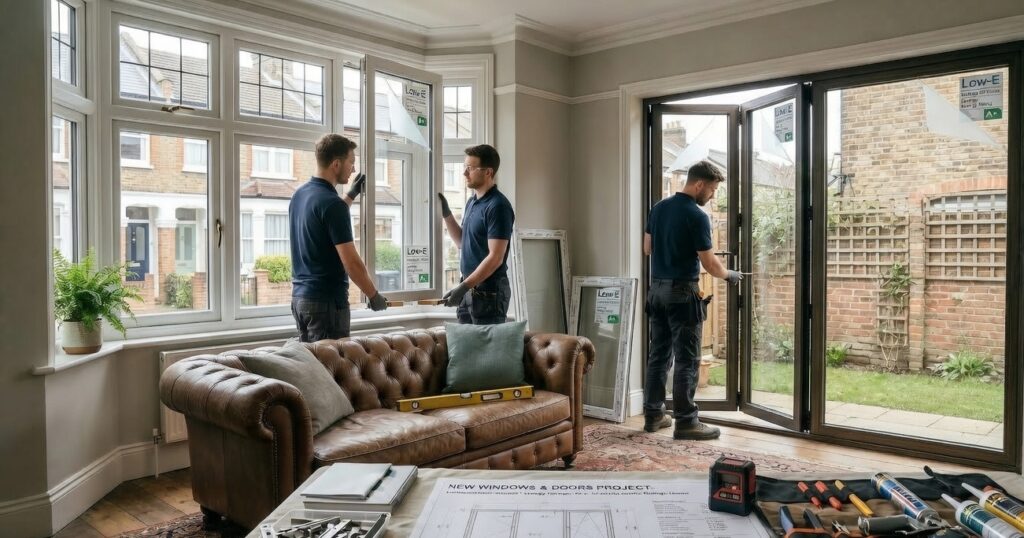
High-performance double and triple glazing with low-E coatings
Sustainable materials and finishes (earthy tones, anthracite and black remain popular)
Larger openings, bi-fold and patio doors for better indoor-outdoor living
Smart locking systems and improved acoustic performance
Heritage-style designs that still meet modern energy standards ideal for period properties across Sheffield, Rotherham and Doncaster
Typical Costs of New Windows and Doors in 2026
Costs vary by material, size, style and location. Broad UK ranges (supply and install) are:
Windows (per unit)
uPVC: £450–£1,200 (typical mid-range £650–£1,000)
Aluminium: £600–£1,800
Timber: £1,000–£2,500+
Full house replacement (approx. 8–10 windows, 3-bed semi)
uPVC: £4,000–£7,500
Premium materials: £9,000–£15,000+
Doors
Composite front/back doors: £800–£3,000
Patio / French doors: £1,500–£4,000+
Bi-fold doors: higher, depending on configuration
Additional costs can include scaffolding (£500+), building regulations compliance (£200–£500) and a 20–30% premium for triple glazing. Northern England, including South Yorkshire, is generally more affordable than London and the South East.
Factors That Influence Cost
Material and glazing specification
Property size, access and complexity
Number of openings and any structural changes
Regional labour rates
Whether you need heritage or conservation-area compliant products
Budgeting tips: Obtain at least three detailed quotes, prioritise high-impact rooms first, allow a 10–15% contingency, and factor in long-term energy savings. Pairing new windows with other upgrades, such as aboiler replacement or loft improvements, can maximise overall efficiency.
Planning Permission, Building Regulations and Compliance
Most like-for-like replacements fall under permitted development and do not need planning permission. However:
New openings, significant size changes or alterations to the front elevation may require permission
Building Regulations (especially Part L for energy efficiency) always apply
FENSA or CERTASS registered installers can self-certify compliance
Listed buildings and conservation areas usually need extra approvals
Always check with your local South Yorkshire council or the Planning Portal early in the process. Similar rules often apply when planning ahome extension.
How to Plan Your Project
Assess your priorities (energy savings, security, style, noise reduction)
Research current options and gather multiple quotes
Confirm planning and Building Regulations requirements
Choose materials and a vetted installer
Schedule the work (typically 1–5 days for a full house)
Complete final checks and obtain certificates
Phased installations can help spread the cost. If you are also improving upper floors, our guide toloft and attic design ideas may offer useful complementary inspiration.
Choosing a Vetted Installer
Look for:
FENSA, CERTASS or GGF membership
Clear warranties (often 10–20 years)
Strong local reviews and a solid portfolio
Full insurance and detailed written quotes
Experience with the type of property you have
Working with pre-vetted professionals reduces risk and ensures the work meets current standards.
Common Pitfalls to Avoid
Choosing the cheapest option without checking energy ratings or warranties
Ignoring Building Regulations
Skipping a proper survey
Underestimating the impact of poor installation on performance
Delaying the project when energy savings could start quickly
Ready to Upgrade Your Windows and Doors?
Unlock access to a network of skilled professionals ready to meet your needs. At Leedle.co, we connect you with trusted service providers across various sectors, ensuring you find the right expert for your project. Whether it’s home improvement, legal advice, or creative services, start your journey to quality work today. Submit your requirements and receive quotes from vetted window and door installers covering South Yorkshire and the wider UK.
uPVC for affordability and low maintenance; aluminium for slim modern looks; timber for traditional charm choose based on property style and priorities.