What Are New Windows and Doors Installations in 2026?
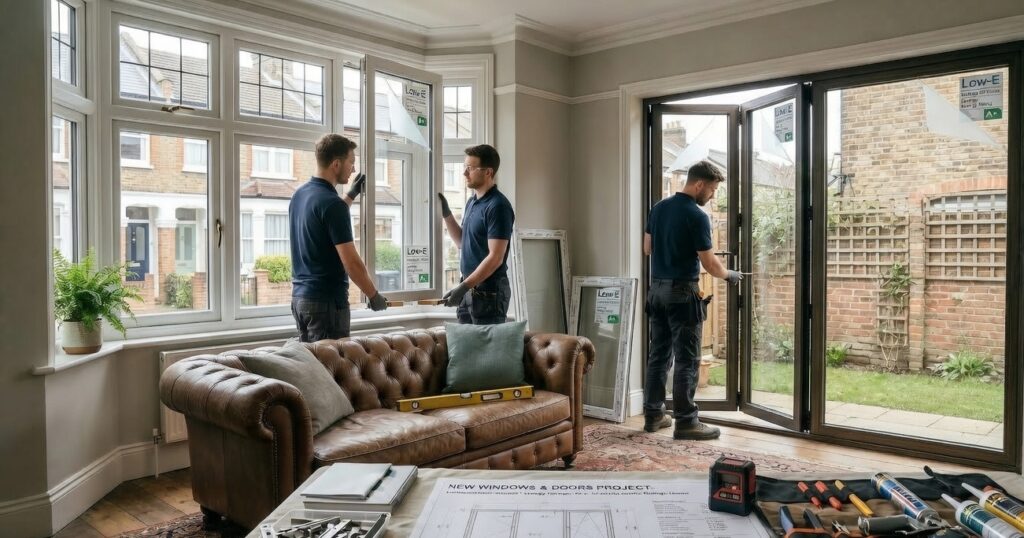
Replacing or upgrading windows and doors involves fitting modern frames with advanced glazing, such as double or triple glazing, low-E coatings, and improved seals. Options span uPVC for affordability, aluminium for slim profiles, and timber for heritage appeal. In 2026, installations prioritise thermal performance, noise reduction, and seamless indoor-outdoor flow.
Why Install New Windows and Doors in 2026?
With energy bills remaining a concern and net-zero goals advancing, new installations deliver immediate and lasting advantages. Upgrades improve insulation, reduce drafts, and boost natural light, making homes more liveable year-round.
Top Trends in Windows and Doors for UK Homes in 2026
2026 sees a blend of style and performance:
- Slimline frames for maximum glass area and modern aesthetics.
- Energy-efficient glazing, including triple glazing and advanced low-E coatings for superior insulation.
- Sustainable materials and finishes, with earthy tones, anthracite, and black popular for contemporary looks.
- Larger openings and bi-fold/patio doors for indoor-outdoor living.
- Smart integrations, such as secure locking systems and acoustic enhancements.
- Heritage-inspired details paired with modern efficiency for period properties.
These trends focus on comfort, lower bills, and future-proofing homes.
Key Benefits of New Windows and Doors
Investing yields multiple gains:
- Energy savings A-rated double or triple glazing can save £140+ annually on bills for typical homes.
- Increased property value. Upgrades often add £10,000 or 3-7% to perceived value through better efficiency and appeal.
- Improved comfort and noise reduction. Better seals maintain stable temperatures and quieter interiors.
- Enhanced security Modern multipoint locks, and toughened glass deter intruders.
- Low maintenance and durability, especially with uPVC or aluminium options.
- Better natural light and wellbeing. Larger, clearer glazing connects homes to the outdoors.
Professional installation ensures these benefits are fully realised.
Typical Costs of Installing New Windows and Doors in 2026
Costs vary by material, size, style, and scope:
- Per window (supply and install): uPVC £450–£1,200 (average £650–£1,200); aluminium £600–£1,800; timber £1,000–£2,500+.
- Full house replacement (e.g., 3-bed semi, 8-10 windows): £4,000–£7,000 for uPVC; £9,000–£15,000+ for premium materials.
- Doors: Patio/French doors £1,500–£4,000+; front/back composite doors £800–£3,000.
- Additional costs: Building regulations compliance £200–£500; scaffolding if needed £500+; triple glazing premium 20-30%.
Regional variations apply, with London/South East 20-30% higher.
Factors Influencing Costs and Budgeting Tips
- Material and glazing type drive base prices.
- Property size, access, and complexity affect labour.
- Location and installer rates vary regionally.
Tips: Get multiple quotes, prioritise high-impact areas (e.g., living room windows), factor in 10-15% contingency, and consider long-term savings from energy efficiency.
Planning Permissions, Building Regulations, and Compliance
Most replacements fall under permitted development no planning permission needed if similar in appearance and size to originals.
- New openings, size changes, or front elevations may require permission.
- Building regulations always apply for energy efficiency (Part L), safety, and ventilation use FENSA-registered installers for self-certification.
- Listed buildings or conservation areas often need extra approvals.
Check via the Planning Portal or local council early.
Steps to Plan Your Windows and Doors Project
- Assess needs (e.g., energy, security, style).
- Research trends and gather quotes.
- Check permissions and regulations.
- Select materials and professionals.
- Schedule installation (typically 1-5 days for full house).
- Final checks and certifications.
Phased approaches suit larger budgets.
Choosing Vetted Window and Door Installers
Opt for qualified professionals:
- FENSA, CERTASS, or GGF members for compliance guarantees.
- Check reviews, portfolios, insurance, and references.
- Compare detailed quotes including warranties (often 10-20 years).
- Ensure alignment with your style and budget.
Vetted experts minimise risks and maximise benefits.
Common Pitfalls to Avoid
- Choosing the cheapest options without energy ratings.
- Ignoring regulations leads to fines or rework.
- Skipping professional surveys for fit issues.
- Overlooking maintenance needs for certain materials.
- Delaying due to cost fears, savings often recoup the investment quickly.
Expert guidance helps navigate these.
Regional Considerations Across the UK
- England: Standard permitted development; focus on efficiency in colder regions.
- Scotland: Building warrants for changes; emphasis on weather-resistant options.
- Wales/Northern Ireland: Similar rules with local nuances in heritage areas.
Local installers offer region-specific expertise.
Conclusion
Installing new windows and doors in 2026 delivers exceptional value through energy savings, enhanced comfort, security, and property appeal. By selecting energy-efficient options, complying with regulations, and partnering with professionals, you can future-proof your home affordably. With trends favouring performance and style, this upgrade provides lasting benefits and peace of mind.
Ready to Upgrade Your Windows and Doors?
Don’t miss out on savings and style. Connect with vetted UK window and door installers specialising in energy-efficient solutions through Leedle.co for personalised quotes, expert advice, and seamless installations. Start enhancing your home today with trusted professionals in your area.
Frequently Asked Questions
Installing new windows and doors raises common questions about costs, benefits, and processes in 2026. Here are answers to frequent queries.