My Pipe Just Broke: What to Do in a Plumbing Emergency – Quick Steps for UK Homeowners
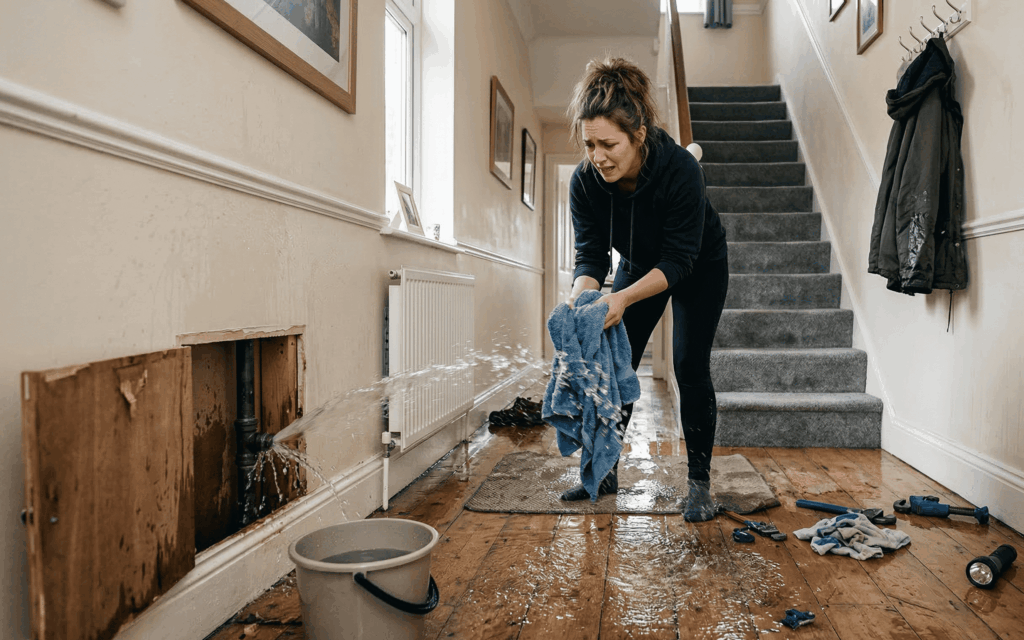
My pipe just burst – water everywhere! It is a panic moment many UK homeowners face, often during cold snaps or unexpected wear. Acting fast minimises damage, prevents mould, and protects your home and belongings. This emergency guide provides clear, immediate steps to take right now, followed by next actions to get professional help and avoid costly mistakes in 2026.
Key Areas We Will Cover
Immediate emergency steps when a pipe bursts or leaks badly
Temporary fixes to contain the problem
Safety precautions for electricity and water damage
When and how to contact your insurer
Next steps: finding a vetted emergency plumber
Preventing future bursts and common causes
Regional notes and what to expect from professionals
Introduction
Discovering a burst or severely leaking pipe can feel overwhelming, with water flooding rooms, risking structural damage, and potentially voiding insurance if not handled promptly. In the UK, burst pipes cause thousands of claims annually, often from frozen pipes, corrosion, or high pressure. Quick action stops the flow, limits harm, and sets you up for a smooth repair. This guide walks you through urgent first steps, safety tips, and how to connect with a reliable plumber for permanent fixes.
Immediate Steps: What to Do Right Now If Your Pipe Bursts
Stay calm and follow this sequence – every minute counts to reduce flooding.
Shut off the main water supply – Locate your stopcock (usually under the kitchen sink, near the front door, or where the mains enters your home) and turn it clockwise until it stops. This halts incoming water instantly.
Turn off electricity if water is near sockets or appliances – Go to your consumer unit (fuse box) and switch off the mains power to avoid shocks or fire risks. Only do this if it’s safe; never stand in water.
Drain the system – Open all cold taps (starting from the lowest point in the house) and flush toilets to empty residual water from pipes and reduce pressure.
Contain the leak – Place buckets, bowls, or towels under the burst/leaking area to catch water. Mop up what you can quickly to limit floor and ceiling damage.
Turn off heating – Switch off your boiler or central heating to prevent hot water adding to the issue.
These steps typically stop the worst flooding within minutes.
Temporary Fixes While Waiting for Help
For a small leak (not a full burst), try these short-term measures:
Wrap the leaking spot tightly with cloth, towels, or duct tape to slow the drip.
Use a pipe clamp, epoxy putty, or rubber patch if available (from a DIY kit) – these buy time but are not permanent.
Avoid attempting major repairs yourself if it’s gas-related or structural.
Safety and Damage Minimisation Tips
Move valuables, furniture, or rugs away from the affected area if safe.
Open windows and doors for ventilation to speed drying and reduce mould risk.
Take photos of the damage and the burst pipe for insurance records.
Contact your home insurer’s 24-hour helpline early – most policies cover burst pipe damage (though not always the pipe repair itself), and they can guide you or appoint approved tradespeople.
Common Causes of Burst or Leaking Pipes in the UK
Frozen pipes (winter expansion cracks them)
Corrosion in older properties
High water pressure or wear over time
Accidental damage during DIY
Knowing the cause helps professionals prevent recurrence.
Next Steps: Get Professional Help Fast
Once the immediate crisis is contained, professional repair is essential – DIY fixes rarely hold long-term and may invalidate insurance. A vetted, Gas Safe or Water Regulations-approved plumber ensures compliant, lasting work, often with guarantees.
Ready to Fix Your Burst or Leaking Pipe?
Don’t wait for more damage or stress. Connect with vetted UK emergency plumbers specialising in burst pipes, leaks, and urgent repairs through Leedle.co. Submit your issue for free, receive fast quotes from trusted local professionals, and get reliable help – often same-day or 24/7 where available. Start now and restore your home with experts you can trust in your area.