What Is Smart Home Integration for Retrofitting?
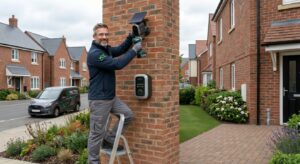
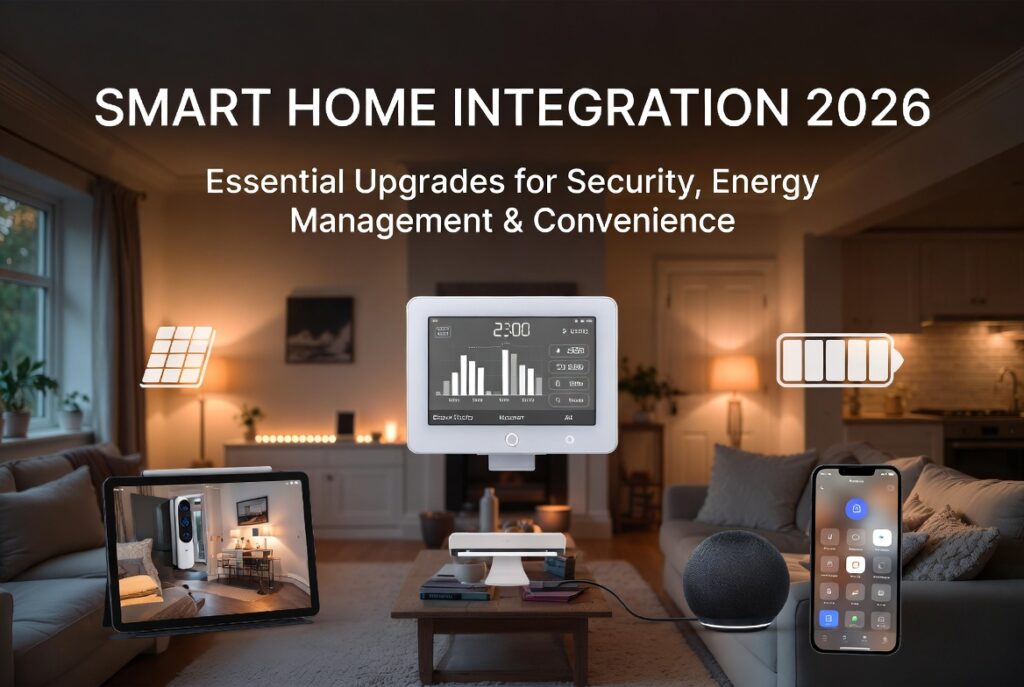
Retrofitting means adding smart technology to an existing home rather than installing it during new construction. Popular upgrades include smart lighting, heating controls, security cameras and locks, and integrated energy management systems. In 2026, emphasis is on seamless compatibility, AI-powered automation, and compliance with UK regulations such as the PSTI Act for product security.
Key Upgrades for Security, Energy Management, and Convenience
Smart Lighting
Control lights via app, voice, or automation. Dimmable bulbs, switches, and sensors reduce waste and enhance security with simulated occupancy.
Heating and Energy Management
Smart thermostats and zoned heating systems learn your routines, integrate with tariffs, and cut bills significantly. Integration with solar or battery storage is increasingly popular.
Security Systems
Smart doorbells, locks, cameras, and alarms provide real-time monitoring and alerts. Integrated systems deter intruders while offering remote access.
These upgrades work together for a cohesive smart ecosystem focused on retrofitting older properties.
Costs of Smart Home Upgrades in 2026
Costs vary by scale and complexity:
Typical ranges (including devices and professional installation):
- Basic setup (lighting + thermostat + basic security): £2,000–£6,000
- Mid-range whole-home system (lighting, zoned heating, full security): £8,000–£15,000
- Comprehensive integration (multi-room audio, advanced automation): £15,000–£30,000+
Component costs:
- Smart lighting (full home): £1,000–£5,000
- Smart heating controls: £500–£2,000
- Security packages: £1,000–£5,000+
Professional installation ensures safety and optimal performance, particularly for electrical work.
Compatibility and the Matter Standard
The Matter protocol has become the game-changer in 2026, enabling devices from different brands to work together seamlessly. This resolves previous ecosystem lock-in issues. When planning retrofits, prioritise Matter-compatible products for future-proofing alongside hubs like Google Home, Amazon Alexa, or Apple HomeKit.
Energy Efficiency Gains and Savings
Smart heating and lighting controls can reduce energy bills by up to 30%. Real-time monitoring and automation optimise usage, support better EPC ratings, and align with UK net-zero goals. Many homeowners see payback periods of 2–5 years through lower utility costs.
How to Vet and Choose Professional Installers
Electrical work requires qualified professionals.
Essential checks:
- NICEIC, NAPIT, or ELECSA registration (Part P compliant)
- Experience in smart home retrofits and relevant insurance
- Portfolio of completed projects and customer reviews
- Clear quotes covering compatibility assessment and warranties
Always use a vetted electrician for wiring and integration to ensure safety and compliance.
Steps to Plan Your Smart Home Integration
- Assess your current needs and existing infrastructure.
- Research compatible devices and create a prioritised plan.
- Obtain multiple quotes from qualified installers.
- Schedule a professional site survey.
- Implement in phases if desired (e.g., lighting first, then security).
- Test and optimise the system post-installation.
Common Pitfalls to Avoid
Choosing incompatible devices, underestimating installation requirements, skipping professional electrical checks, or neglecting cybersecurity settings.
Conclusion
Smart home integration in 2026 offers UK homeowners practical, high-impact upgrades for security, energy management, and convenience. By focusing on retrofitting with compatible, professional-installed systems, you can enjoy lower bills, greater peace of mind, and a more comfortable living environment for years to come.
Ready to Make Your Home Smarter?
Don’t risk incompatible or unsafe installations. Connect with vetted UK electricians and smart home specialists through Leedle.co for expert advice, compatibility assessments, and professional retrofitting. Start your smart home journey today with trusted professionals in your area.