Introduction
Home security upgrades offer a highly effective way to protect your property, loved ones, and peace of mind in 2026. With advancements in smart technology, AI detection, and seamless integration with home energy systems, upgrading from basic alarms to comprehensive smart setups has never been more accessible or impactful. This guide draws on current trends and professional insights to help UK homeowners navigate options, costs, and the importance of working with trusted installers for reliable results.
What Are Home Security Upgrades in 2026?
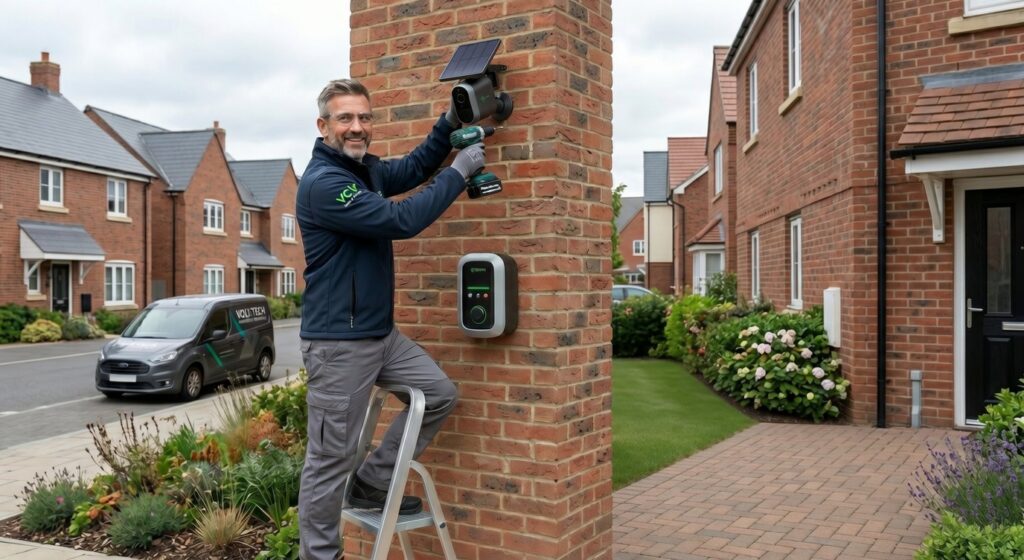
Home security upgrades encompass a range of solutions from traditional burglar alarms and CCTV to fully integrated smart systems featuring cameras, sensors, smart locks, and app control. In 2026, the focus is on wireless, AI-enhanced systems that minimise false alarms, provide real-time alerts, and integrate with broader home automation like EV chargers or energy-efficient lighting.
Why Timing and Strategy Matter in 2026
The UK smart home security market continues to expand rapidly, driven by concerns over property crime and demand for convenient, connected solutions. With insurance incentives for verified systems and potential boosts to property appeal, now is an excellent time to upgrade. Early-year or spring installations often benefit from better installer availability and promotional offers.
Popular Home Security Options: Alarms to Smart Systems
- Traditional or Wireless Alarms: Reliable bell-only or monitored systems for core protection.
- Smart Cameras and Video Doorbells: Real-time monitoring with AI person/package detection.
- Smart Locks and Sensors: Entry point control and environmental monitoring.
- Integrated Smart Systems: Full setups with hub control, voice assistant compatibility (Alexa, Google), and professional monitoring options.
Wireless systems dominate for easier installation and scalability, while hybrid options suit larger or older properties.
Typical Costs of Home Security Upgrades in 2026
Costs vary by system complexity and property size:
- Basic DIY alarm: £150–£500.
- Wireless professionally installed system: £500–£1,200 (including installation).
- Advanced smart or monitored system: £900–£2,500+ for comprehensive coverage.
Ongoing monitoring fees typically range from £15–£60 per month for professional services. Additional elements like CCTV or multiple cameras can increase totals but deliver strong long-term value through insurance discounts and deterrence.
Benefits: Safety, Savings, and Home Value
Upgraded systems deter crime, provide immediate alerts, and often qualify for insurance premium reductions. Smart integrations improve energy management and overall home efficiency. Quality installations can enhance resale value by signalling a well-protected, modern property to buyers.
Regulations and Choosing Vetted Installers
All installations should comply with relevant standards. Prioritise professionals registered with schemes like NSI, SSAIB, or equivalent for alarms and electrical work. Look for:
- Proven local experience and strong reviews.
- Adequate insurance and guarantees.
- Membership in recognised trade bodies.
Vetted electricians often handle smart integrations seamlessly. Obtain multiple quotes and verify certifications to ensure compliance and reliability.
Steps to Get Started and Common Pitfalls
- Assess your property’s risks and current setup.
- Define needs (basic deterrence versus full smart monitoring).
- Research grants or insurance incentives if applicable.
- Obtain quotes from vetted installers.
- Plan installation and test the system thoroughly.
Avoid DIY for complex systems (risking invalid insurance), choosing solely on price, or neglecting ongoing maintenance.
Regional Considerations Across the UK
Market conditions are broadly similar, but urban areas like South Yorkshire may see higher demand for integrated systems. Local installers understand regional crime patterns and grid considerations for smart setups. Scotland, Wales, and Northern Ireland have minor regulatory nuances that are always confirmed with professionals.
Conclusion
Home security upgrades in 2026, from reliable alarms to sophisticated smart systems, deliver enhanced protection, convenience, and potential financial benefits. By selecting appropriate technology, budgeting wisely, and partnering with vetted installers, you can create a safer, more valuable home in today’s connected world.
Ready to Upgrade Your Home Security?
Don’t leave your property’s safety to chance. Connect with vetted installers and electricians specialising in home security systems through Leedle.co for personalised advice, competitive quotes, and professional installation. Start enhancing your home’s protection today with trusted professionals in your area.