What Is a Garage Conversion?
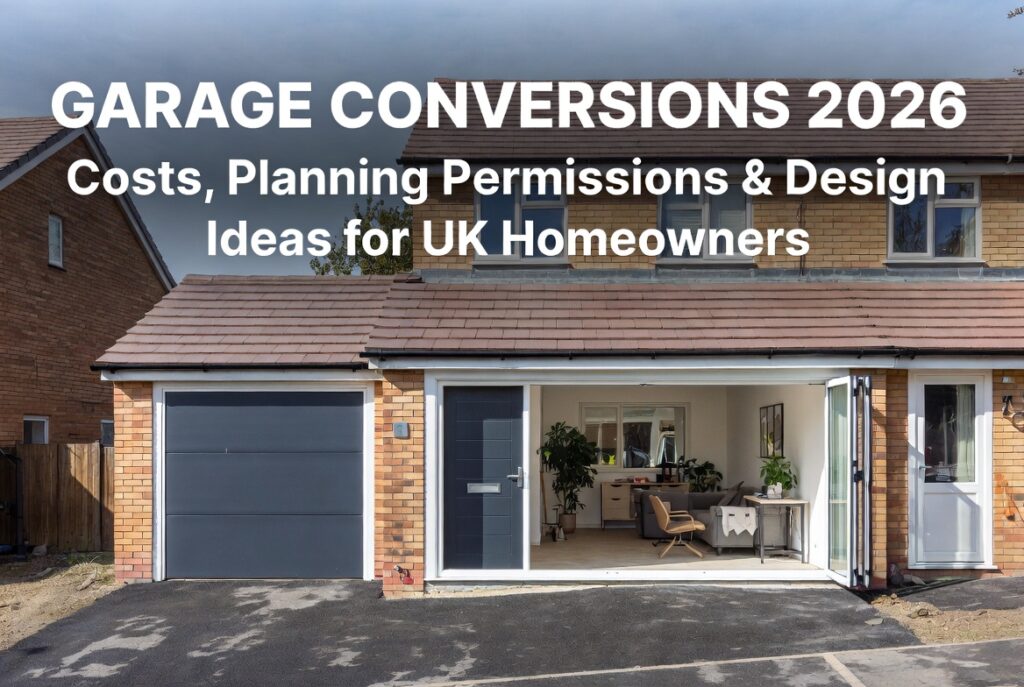
A garage conversion changes an existing garage into habitable space such as a home office, gym, playroom, or annex. It typically involves replacing the garage door with a solid wall and windows, adding insulation, flooring, electrics, heating, and finishing. In 2026, these projects remain popular due to their relative affordability compared to extensions (£625–£1,250 per m² versus £1,800–£3,000+ for new builds).
Planning Permissions and Building Regulations in 2026
Most garage conversions fall under permitted development rights in England, meaning you usually do not need full planning permission if the work is internal and does not enlarge the building. However, always confirm with your local authority, especially for detached garages, listed buildings, or conservation areas.
Building regulations approval is almost always required.
Key areas include:
- Structural integrity and damp-proofing
- Thermal insulation and energy efficiency (to meet current Part L standards)
- Fire safety (30-minute resistance between garage and house)
- Ventilation, electrics, and drainage
Submit a building notice or full plans application. Compliance ensures safety, insurability, and future saleability.
Costs of Garage Conversions in 2026
Costs vary by garage size, specification, and location but remain competitive.
Typical ranges (fully finished, including VAT):
- Single garage (15-20m²): £10,000–£20,000
- Double garage: £15,000–£32,000+
- Basic conversion (storage/utility): Lower end
- High-spec (bedroom/annex with ensuite): Upper end
Breakdown of main costs:
- Replacing garage door with wall and windows: £1,500–£4,000
- Insulation, flooring, and plastering: Significant portion
- Electrics, heating, and lighting: £2,000–£5,000
- Professional fees and building control: £500–£2,000
South Yorkshire and similar regions often see prices toward the lower-to-mid range compared with London. Obtain at least three detailed quotes.
Popular Design Ideas for 2026
Home Office: Natural light via new windows or rooflights, built-in storage, and high-speed internet. Add bi-fold doors for garden access.
Home Gym: Reinforced flooring for equipment, mirrors, ventilation, and rubber matting. Combine with a small changing area or WC.
Annex or Guest Suite: Include a bathroom and kitchenette for independent living. Ideal for multigenerational families.
Hybrid Spaces: Split layouts (e.g., front storage, rear office/gym) maximise versatility. Contemporary finishes with smart lighting and underfloor heating feature strongly in 2026 designs.
ROI and Property Value Added
A well-executed garage conversion can add 10-20% to your home’s value, depending on location and quality. It often delivers strong returns by increasing usable square footage without losing parking entirely (if you add a driveway or carport). In a balanced 2026 market, it appeals strongly to buyers seeking flexible living space.
Steps to Plan Your Garage Conversion
- Assess your garage structure and needs.
- Check permitted development and building regulations with your local council.
- Hire an architect or designer for plans if complex.
- Obtain building control approval.
- Select vetted builders and agree on a fixed-price contract.
- Schedule work (typically 2-6 weeks).
Common Pitfalls to Avoid
Underestimating insulation needs, poor ventilation leading to damp, skipping building regulations, or choosing cheap materials that affect resale.
Choosing Professionals
Select builders with experience in garage conversions. Look for FMB or TrustMark accreditation, public liability insurance, and local reviews. Leedle.co connects you with vetted specialists.
Conclusion
Garage conversions in 2026 offer UK homeowners a smart, affordable way to gain valuable living space for home offices, gyms, or annexes. With clear regulations, manageable costs, and strong potential ROI, careful planning delivers excellent results and enhances your lifestyle and property value.
Ready to Transform Your Garage?
Don’t let valuable space go to waste. Connect with vetted UK builders and architects specialising in garage conversions through Leedle.co for personalised designs, accurate quotes, and compliant projects. Start creating your ideal space today with trusted professionals in your area.