Good photographs are one of the most effective ways to attract interest in a property or building project. In the UK, where most buyers and clients begin their search online, the quality of the images often decides whether someone books a viewing or moves on to the next listing.
This guide covers the practical points that matter when commissioning real estate or architectural photography. It looks at typical costs, the main types of work, what a competent photographer should deliver, and how to prepare so the day runs smoothly.
Why professional photography still matters
Amateur or phone photographs rarely show a property at its best. Professional work corrects perspective, balances light, and presents spaces clearly. Listings with strong images consistently receive more views and enquiries. For architectural projects the photographs also need to communicate design intent, materials and context to clients, planners or publications.
The difference is especially noticeable with period properties, complex layouts, new builds and commercial spaces, where light and composition can make or break the first impression.
Residential real estate photography
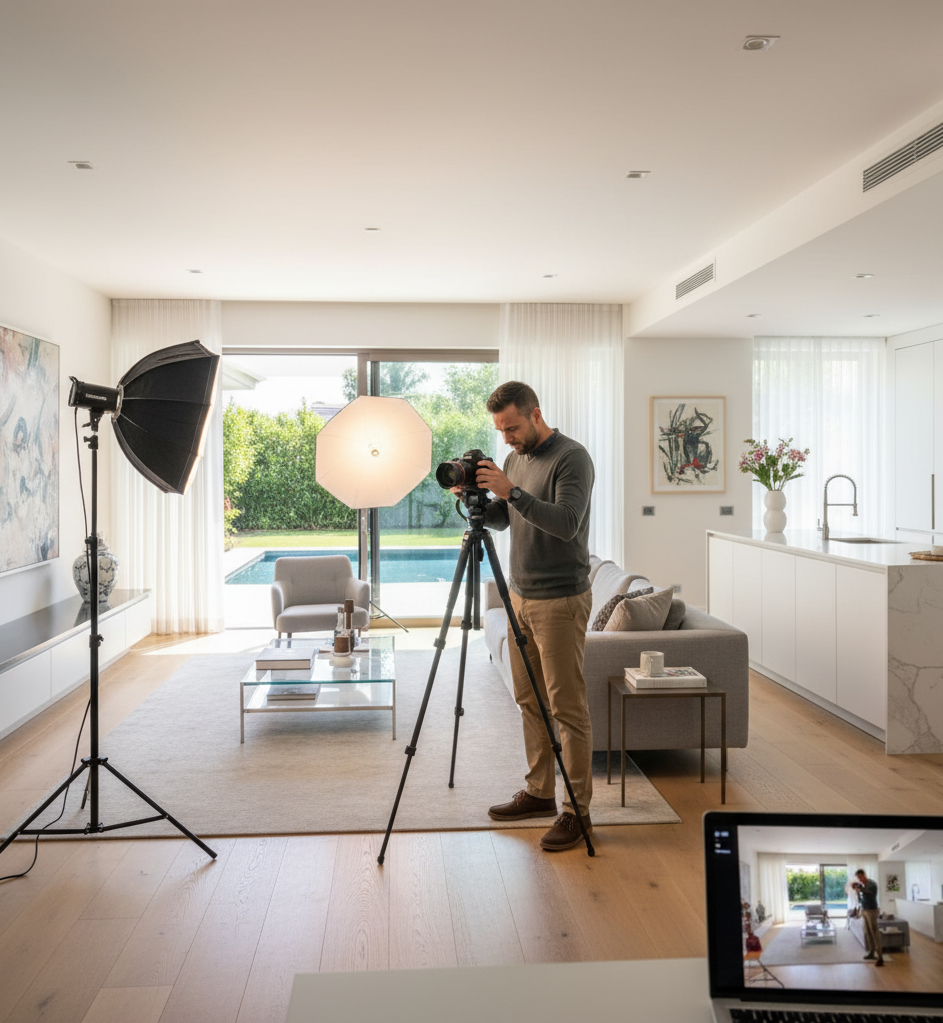
Most estate agents and private sellers need clear, accurate images that help buyers understand the layout and condition of a home. A standard residential shoot usually includes:
- Wide shots of each main room that show the full space
- Detail shots of key features such as fireplaces, kitchens or garden views
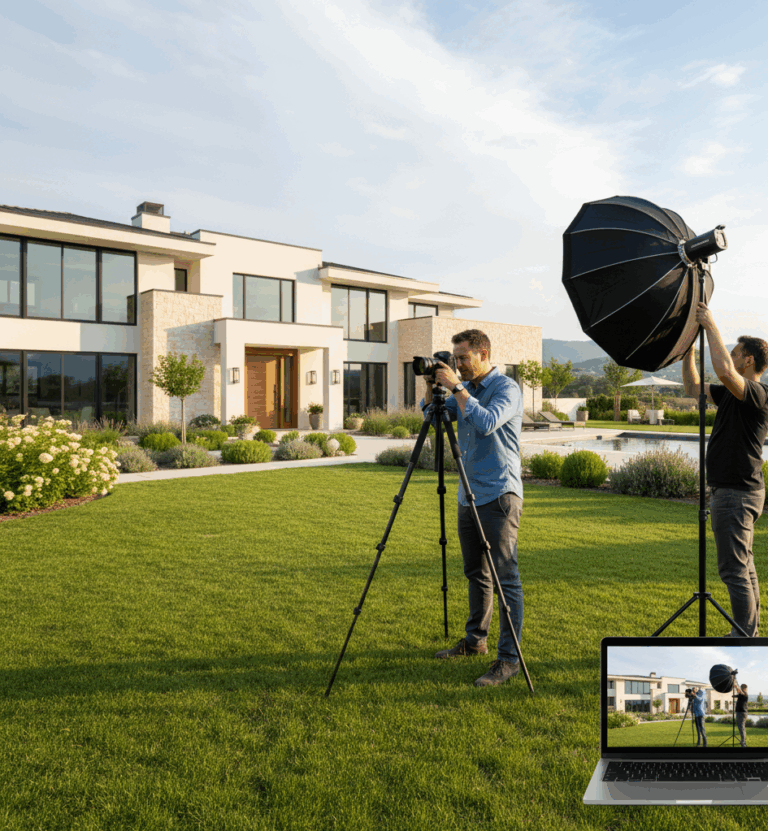
- Exterior shots that place the property in its setting
- Consistent colour and exposure across the set
Many photographers also offer twilight exterior shots, floor plans or simple virtual staging. The best residential work feels natural rather than overly stylised. Buyers need to trust that the rooms look much as they will on a viewing.
Architectural photography
Architectural commissions are different. The brief is usually to document a building’s design, structure and relationship to its surroundings. This work is often required by architects, developers, interior designers and publications.
Key differences include:
- Greater attention to precise verticals and perspective control
- Careful use of available light or supplemental lighting to show materials accurately
- Both overall context shots and close detail studies
- Sometimes multiple visits to capture the building in different light or seasons
Architectural photographers tend to work more slowly and with a stronger technical focus. The finished images are often used for portfolios, awards entries, planning submissions and marketing materials that need to last for years.
Technology that is now standard
Drone photography
Useful for showing the full site, roof condition, gardens and surrounding context. In the UK the pilot must hold the correct CAA permissions and operate within the rules. Aerial shots work particularly well for larger plots, rural properties and new developments.
3D virtual tours and walkthroughs
These let remote viewers move through the space at their own pace. They are especially valuable for higher value homes, commercial premises and properties that are still under construction.
Floor plans and measured surveys
Often combined with photography so that online listings give a complete picture of room sizes and layout.
Not every photographer offers every service. Decide which extras you actually need before requesting quotes.
Typical costs in the UK
Prices vary by location, property size and the level of service, but broad ranges in 2026 are:
- Standard residential shoot (up to three bedrooms): £150 to £300
- Larger homes or more complex packages: £300 to £500
- Drone add-on: £80 to £200
- Full 3D virtual tour: £150 to £400
- Architectural or commercial day rates: £400 to £800 or more depending on the brief and usage rights
Always confirm what is included in the fee (number of images, turnaround time, usage rights, and any travel charges). Usage rights are important: some photographers licence the images only for a specific purpose or period.
How to choose the right photographer
- Look at recent full sets rather than only the best single images. Consistency across a whole property or project is more important than a few heroic shots.
- Check experience with the type of building you have. A photographer who mainly shoots modern apartments may approach a listed building differently from one who specialises in heritage work.
- Confirm technical competence. Perspective correction, accurate colour and clean editing should be standard.
- Ask about turnaround time and the format of the final files.
- Clarify usage rights and whether you will own the images or only receive a licence.
- For drone work, ask to see proof of the correct permissions.
A short conversation or site visit before the shoot often improves the final result. Good photographers will ask about the key selling points or design features you want emphasised.
Preparing the property or site
A little preparation makes a noticeable difference:
- Declutter surfaces and remove personal items where possible
- Open blinds and curtains to maximise natural light
- Switch on lights if the photographer requests it
- Ensure gardens and exteriors are tidy
- For architectural work, make sure the building is accessible and any temporary protection is removed if safe to do so
Discuss the schedule in advance so that the photographer can work around any restricted access or ongoing building work.
Showcase Your Property with Leedle.co!
Ready to make your property stand out? Visit Leedle.co to connect with top real estate photographers in the UK. Submit your project details, compare quotes, and elevate your listings with stunning visuals today!
FAQs About Real Estate Photographers in the UK
Costs range from £150–£500 for a standard shoot, with drone shots or 3D tours adding £100–£300, depending on property size and location
Most shoots take 1–3 hours for residential properties and 3–5 hours for larger commercial or architectural projects.
Professionals deliver high-quality images that boost online views, speed up sales, and increase offers, with proven results like 32% faster sales (Redfin).
Leedle.co verifies photographers’ qualifications, experience, and insurance, ensuring only skilled professionals are matched with your project.

How Much Does It Cost to Rewire a House in Sheffield in 2026?
“Outdated wiring remains one of the most common safety risks in older Sheffield properties, yet many homeowners delay a full rewire until problems appear, often
Boiler Replacement Costs in South Yorkshire 2026: What You Should Expect to Pay
“Many homeowners in South Yorkshire still replace gas boilers without checking the full installed price or available low carbon alternatives, often paying more than necessary
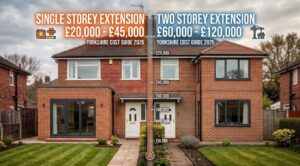
Home Extension Cost Guide: Single Storey vs Two Storey in Yorkshire 2026
“Many homeowners underestimate the full project cost of an extension by 20% or more, only to face unexpected bills once professional fees, VAT and finishes
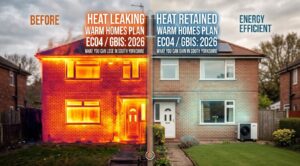
Warm Homes Plan, ECO4 and Great British Insulation Scheme: What You Can Actually Get in South Yorkshire in 2026
“Fewer than half of eligible households have claimed the support available under current energy efficiency schemes, leaving many facing higher bills than necessary,” notes guidance

2026 Window and Door Replacement Guide: Costs, Energy Savings, and Choosing Vetted Installers in South Yorkshire
Upgrading to energy-efficient windows and doors can slash your heating bills by up to £140–£350 annually in a typical UK home, yet many South Yorkshire

Flooring Trends and Renovation Costs 2026: Selecting Durable Options That Boost Home Value
New flooring can increase a property’s appeal and potentially add 2-5% or more to its value, yet many UK homeowners underestimate the long-term benefits of