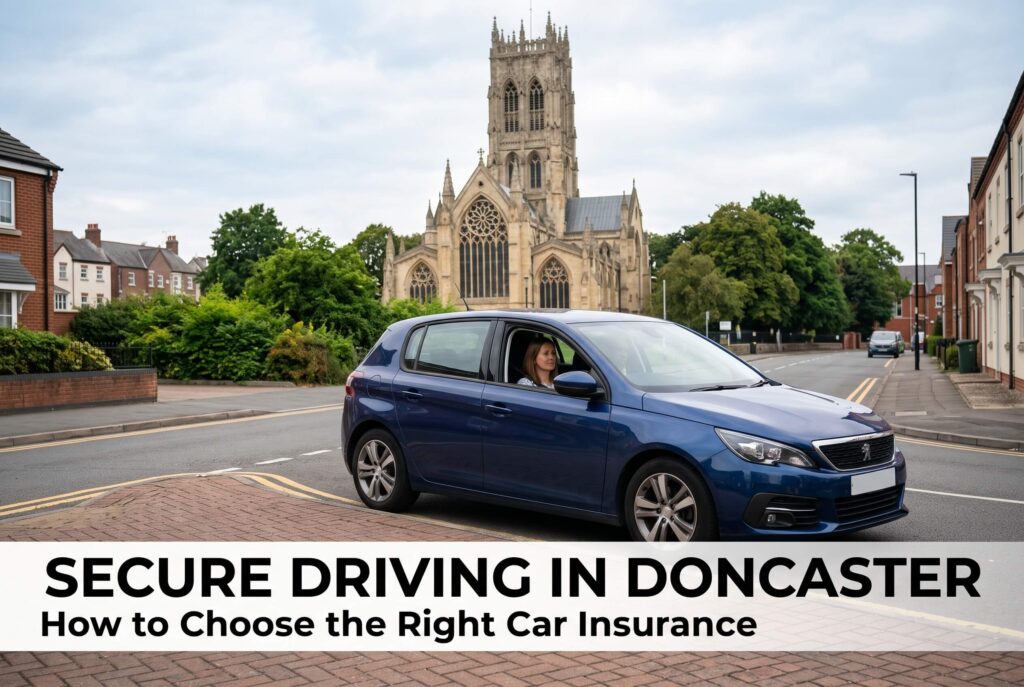
Secure Driving in Doncaster: How to Choose the Right Car Insurance
Driving without valid car insurance is a criminal offence that can lead to fines, points on your licence and even vehicle seizure. In Doncaster and across South Yorkshire, the right policy protects you financially if you cause damage or injury and gives peace of mind every time you take to the road.
Every driver in the UK must have at least third party car insurance by law. Fully comprehensive cover is often better value and provides wider protection. Premiums vary according to your age, driving record, postcode, the car you drive and the level of cover chosen. Comparing quotes from several sources, buying a few weeks before renewal and protecting your no claims discount are the most effective ways to keep costs under control while staying properly covered.
Key Areas We Will Cover:
Why car insurance is a legal and practical necessity
The main types of cover available to Doncaster drivers
The factors that most influence your premium
Practical steps to find more affordable cover
How no claims discounts and excesses work
Common mistakes that can leave you underinsured or overpaying
How to approach the comparison process with confidence
Introduction:
Doncaster’s roads carry a mix of local traffic, longer distance commuting and seasonal visitors. Whatever your daily pattern, valid car insurance is both a legal requirement and an essential financial safeguard. The market offers a wide range of policies, from basic third party cover to fully comprehensive packages with optional extras. Understanding what drives the price and how to compare options fairly helps you secure the protection you need without paying more than necessary. This guide explains the essentials for drivers in Doncaster and the surrounding area.
Why Is Car Insurance Compulsory and Why Does Quality Matter?
It is illegal to drive or keep a vehicle on a public road without at least third party insurance. The minimum level covers damage or injury you cause to other people, their vehicles or property. Beyond the legal requirement, quality insurance protects your own finances if your car is damaged, stolen or written off. It also reduces the risk of large personal liability if you are at fault in an accident. Choosing cover that matches how and where you drive provides genuine security rather than a paper formality.
What Are the Main Types of Car Insurance Available?
Third party only is the legal minimum and covers other people’s losses. Third party, fire and theft adds protection if your car is stolen or damaged by fire. Fully comprehensive cover includes damage to your own vehicle even when you are at fault, and is frequently cheaper than lower levels of cover because lower risk drivers tend to choose it. Many policies allow optional extras such as breakdown assistance, legal expenses, courtesy cars or windscreen cover. Multi car policies can reduce the overall cost when you insure more than one vehicle with the same provider.
Which Factors Have the Biggest Impact on Your Premium?
Insurers assess risk using a combination of personal and vehicle details. Age and driving experience carry heavy weight, with younger and newly qualified drivers usually paying more. Your postcode reflects local claims and theft rates. The car’s insurance group, engine size, value and security features all influence the price. Annual mileage, overnight parking arrangements, occupation, claims history and any convictions also matter. Building and protecting a no claims discount is one of the most powerful long term ways to reduce costs. The voluntary excess you choose and whether you pay annually or monthly further affect the final figure.
How Can Doncaster Drivers Find More Affordable Cover?
Start by comparing quotes on several major comparison sites, because each works with a different panel of insurers. Check direct insurers that do not appear on comparison platforms. Aim to buy around three to four weeks before your current policy ends, as this timing often produces lower prices. Paying annually rather than monthly removes interest charges. Raising the voluntary excess, provided you can afford it if you claim, usually lowers the premium. Choosing a car in a lower insurance group and keeping mileage accurate also help. Telematics or black box policies can reduce costs for careful drivers, especially younger ones.
How Do No Claims Discounts and Excesses Work in Practice?
Each claim free year earns a no claims discount that grows over time and can eventually reduce premiums by a substantial percentage. Some policies allow you to protect the discount so that one claim does not wipe it out entirely. The excess is the amount you pay towards a claim. It is made up of a compulsory element set by the insurer and a voluntary amount you choose. A higher voluntary excess lowers the premium but increases the sum you must find if you need to claim. Set the excess at a level you could realistically pay without financial strain.
What Common Mistakes Lead to Problems or Higher Costs?
Auto renewing without checking the market often results in paying more than necessary. Declaring an inaccurate mileage or failing to update the insurer when circumstances change can invalidate cover. Assuming that fully comprehensive cover automatically allows you to drive other cars is frequently incorrect. Using the car for business or deliveries without the right class of use leaves you uninsured for those journeys. Choosing the absolute cheapest policy without reading the excesses, exclusions and optional extras can create gaps in protection. Taking a few minutes to review the details carefully avoids these pitfalls.
Common Questions and Misconceptions:
Many drivers believe third party cover is always the cheapest option. In practice fully comprehensive is often better value. Another misconception is that the renewal price from your current insurer is competitive. Shopping around almost always reveals better deals. Some people think a single claim will destroy years of no claims discount. Protected no claims discounts and careful claims decisions can limit the impact. Finally, the idea that postcode is fixed and unchangeable overlooks the effect of accurate overnight parking details and other adjustable factors.
Conclusion:
Valid car insurance is both a legal duty and a practical necessity for every Doncaster driver. Understanding the main types of cover, the factors that drive premiums and the steps that reliably reduce costs puts you in control. Compare quotes carefully, protect your no claims discount, choose an excess you can afford and keep your policy details accurate. With the right approach you can secure solid protection at a fair price and drive with greater confidence.
Ready to Protect Your Journeys with the Right Cover?
Unlock access to a network of skilled professionals ready to meet your needs. At Leedle.co, we connect you with trusted service providers across various sectors, ensuring you find the right expert for your project. Whether you need guidance on local services that support safe and reliable motoring or help with related home and vehicle needs in Doncaster and beyond, start your journey to quality support today. Visit Leedle.co and take the next step toward practical solutions that keep you moving.
FAQ:
Is third party car insurance enough to drive legally in the UK?
Yes. Third party cover meets the legal minimum requirement. Fully comprehensive cover is often better value and provides wider protection for your own vehicle.
When is the best time to buy or renew car insurance?
Quotes taken around three to four weeks before the policy start or renewal date frequently produce lower prices than those taken at the last minute or several months early.
Does paying annually really save money?
Yes. Monthly payments usually include interest charges. Paying the full premium up front removes those charges and is typically cheaper overall.
Can I lower my premium by increasing the excess?
Raising the voluntary excess usually reduces the premium. Only choose an amount you could comfortably pay if you needed to make a claim.
What is a no claims discount and why does it matter?
It is a reduction in premium earned for each year without a claim. Over time it can significantly lower the cost of cover and is one of the most valuable features of a long term policy.